
Zanzibar Animals: A Guide to the Unique Fauna of the Spice Island
Zanzibar's animals represent a unique biodiversity shaped by millions of years of island isolation. This Tanzanian archipelago is home to endemic species that exist nowhere else on the planet, from the iconic red colobus monkey to the mysterious (and probably extinct) Zanzibar leopard. Zanzibar. Zanzibar wildlife combines fascinating terrestrial life in tropical rainforests, exceptional marine biodiversity in coral reefs and unique mangrove ecosystems. In this complete guide to Zanzibar animals I explain which species you can see, where to find them, which ones are endangered, the best places for wildlife watching and everything you need to know for a responsible wildlife experience on the island.
Why Zanzibar wildlife is so special
Endemism due to insular isolation
Zanzibar separated from the African continent approximately 10,000 years ago when the sea level rose. This isolation allowed animal populations to evolve independently, creating unique species and subspecies. The result: approximately 25% of terrestrial mammals of Zanzibar are endemic.
Exceptional marine biodiversity
The Zanzibar Channel and the surrounding Indian Ocean are home to more than 500 species of fishThe coral reefs of Zanzibar are considered among the most diverse in East Africa. Zanzibar's coral reefs are considered among the most diverse in East Africa.
Varied ecosystems
Despite its relatively small size (1,660 km²), Zanzibar contains multiple ecosystems: coral rag forests, extensive mangroves, seagrass beds, coral reefs, plantation forests and agricultural areas. Each supports distinct animal communities.
The red colobus monkey: the star of Zanzibar animals
Characteristics of Piliocolobus kirkii
The Zanzibar red colobus monkey (Piliocolobus kirkii) is the island's most emblematic land animal and only exists here.
Identification:
- Black coat with white markings on shoulders and back.
- Reddish/reddish patches on legs and arms
- Hairless pink face
- Long and slender tail (longer than the body)
- Size: 45-67 cm (without tail), weight 5-12 kg
Unique behavior:
- Specialized herbivoresThey eat leaves, flowers, bark and green fruits.
- Special digestive systemMulti-compartmentalized stomach for digesting plant material toxic to other primates
- SocialThey live in groups of 30-50 individuals
- Noisy: Strong vocalizations for communication between groups
- Arboreal: Spend 90%+ of time in trees
State of conservation
Current population~6,000 individuals (recovery of only 1,500 in the 1990's)
Ranking: Endangered according to IUCN
Threats:
- Habitat loss due to agriculture and development
- Forest fragmentation (isolated populations)
- Historical hunting (now illegal but occasional)
- Human-fauna conflict (damage to crops)
Conservation successThanks to the efforts of the Jozani Chwaka Bay National Park and local NGOs, the population has quadrupled in 30 years. It is one of the most outstanding conservation success stories in Tanzania.
Where to see red colobus
Jozani Chwaka Bay National Park: The best and almost guaranteed place.
- Admission: 10 USD
- Schedule: 7:30-17:00 daily
- Mandatory guide included
- Sighting probability: 95%+
- Best time: Early morning (8:00-10:00)
The monkeys have been habituated to humans for decades, allowing close observation (1-2 meters) without altering behavior.
Pete-Jozani ForestProtected area connected to Jozani, less visited.
Private forestsSome hotels/lodges in wooded areas have resident groups, but smaller populations.
ImportantDO NOT feed or touch colobus. They may bite if they feel threatened and potentially transmit diseases.
The Zanzibar leopard: legend or reality?
The phantom feline
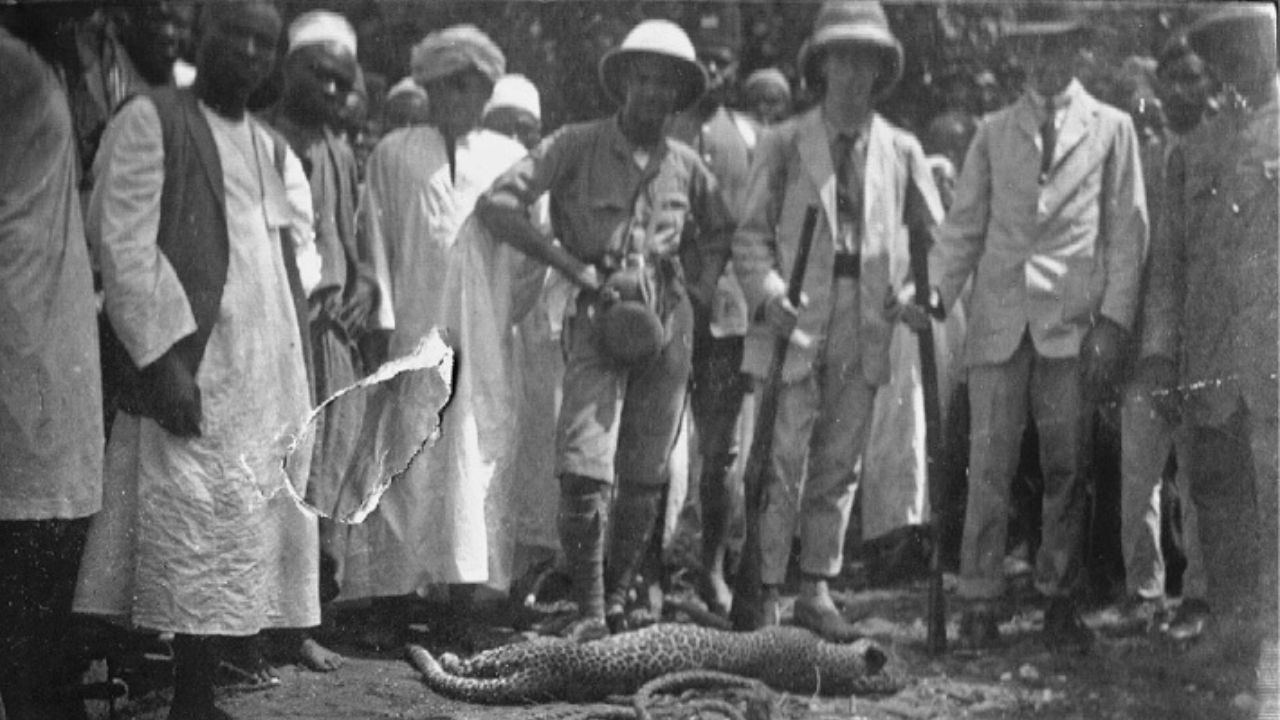
The Zanzibar leopard (Panthera pardus adersi) is probably the most mysterious and controversial animal of the Zanzibar fauna.
History:
- Endemic leopard subspecies
- Last confirmed sighting: 1980s
- Officially declared probably extinct by IUCN in 1996
Characteristics (when it existed):
- Smaller than continental leopards
- Lighter coat with distinct rosettes
- Adapted to coral rag forests
Does it still exist?
The controversy continues. Local farmers report occasional sightings and find dead livestock in patterns consistent with leopard attacks. However:
- Zero photographic evidence in the era of camera traps
- No confirmed trace by scientists since 1980s
- Possible alternative explanationsConfusion with civet cats, wild dogs, or persistent folklore.
Search expeditions (2018, 2021) organized by WWF and Tanzania Wildlife Authority found no conclusive evidence.
VerdictThe scientific community considers the subspecies functionally extinctalthough there is a small possibility of remnant individuals in remote forests.
Why it matters
The Zanzibar leopard case illustrates:
- Consequences of historical persecution (hunted for witchcraft beliefs)
- Fragility of island populations
- Importance of proactive conservation before extinction
Other fascinating terrestrial species in Zanzibar
Aders' Antelope (Duiker of Aders)
Cephalophus adersi - One of the rarest antelopes in the world.
Features:
- Extremely small (35-40 cm height, 7-12 kg)
- Reddish coat with dark dorsal stripe
- Shy and nocturnal mainly
Population~1,000 individuals in Zanzibar (another small population in Kenya)
Where to see: Jozani Forest (difficult, requires luck and patience), occasionally Ngezi Forest
Zanzibar African Civet
Civettictis civetta - Endemic subspecies.
Features:
- Nocturnal carnivore about the size of a medium-sized dog.
- Grayish coat with black spots
- Produces musk historically used in perfumes.
Where to seeRarely seen by tourists (nocturnal), occasional sightings in forests.
Zanzibar Elephant Shrew
Rhynchocyon petersi zanzibaricus
Features:
- Small mammal with elongated movable nose
- Long hind legs (jumps like a miniature kangaroo)
- Diurnal and insectivorous
Where to seeJozani forests, fast and hard to detect
Fruit bats (Flying foxes)
Pteropus voeltzkowi - Pemba's fruit bat (Critically Endangered)
In main Zanzibar: Eidolon helvum (African fruit bat)
Where to seeColonies hanging in large trees during the day in Jozani, Stone Town (trees near Old Fort), villages with mango/baobab trees.
Endemic birds: the winged spectacle of Zanzibar
Zanzibar fauna includes 10+ endemic bird species or subspecies that attract ornithologists from all over the world.
Outstanding endemic birds
Zanzibar Red Bishop (Euplectes nigroventris zanzibaricus):
- Male with bright red plumage during the breeding season.
- Habitat: Open areas, rice fields
- Easy to see: Jozani, agricultural areas
Zanzibar Sombre Greenbul (Andropadus importunus insularis):
- Bird of the forest, melodious song
- Endemic to Zanzibar
- Where: Jozani, Ngezi Forest
Fischer's Turaco:
- Large colorful bird (green, red, blue)
- Distinctive crest
- Jozani Forests
Zanzibar Sunbird (Cinnyris s. zanzibaricus):
- Small, iridescent
- Feeds on nectar
- Common in gardens and forests
Best places for bird watching
Jozani Chwaka Bay National Park50+ species, including endemics
Ngezi Forest Reserve (Pemba)The best for rare forest birds
Chwaka Bay MangrovesWaterfowl, herons, kingfishers, etc.
Best time: November-April (migratory birds present in addition to residents)
Marine life: underwater biodiversity
Sea turtles
Species in Zanzibar:
- Green sea turtle (Chelonia mydas) - Most common
- Hawksbill turtle (Eretmochelys imbricata) - Critically Endangered
- Occasional: Loggerhead turtle, leatherback turtle
Where to see them:
- Snorkeling in Mnemba Atoll (80% probability)
- Safari Blue, Menai Bay
- Nungwi Aquarium (conservation center - rescued turtles)
- Nesting beaches: Mnemba Island (October-February season)
ImportantDo not touch, do not ride, keep 2+ meters distance.
Dolphins
Species
- Indo-Pacific humpback dolphin (Sousa plumbea) - Resident
- Bottlenose dolphin (Tursiops truncatus)
- Spinner dolphin (Stenella longirostris)
Where to see them:
- Kizimkazi (south of Zanzibar) - Daily Tours
- Occasionally at Safari Blue, Mnemba
Important criticismMany dolphin tours in Kizimkazi are irresponsible - chase dolphins, get too close, allow swimming that stresses animals. Look for certified operators that follow WildLife Conservation Society guidelines: observation from a distance, no chasing, limitation of boats.
Reef fish
More of 500 species including:
- Clownfish in anemones
- Parrotfish (crucial to reef health)
- Angelfish (emperor, queen)
- Giant groupers
- Butterfly fish
- Brunettes
- Surgeon fish
- Trumpet fish
Best snorkeling/diving spots:
- Mnemba Atoll (the best)
- Chumbe Island (most pristine coral)
- Menai Bay (Safari Blue)
- Tumbatu Island
Sharks and rays
Species:
- Reef sharks (white tip, black tip) - Harmless
- Whale shark - Occasional (October-February)
- Eagle stripes
- Blanket Stripes - Occasional in Mnemba
Humpback whales
SeasonJuly-September (annual migration)
Where: Deep waters east of Zanzibar
ToursSome operators offer sighting tours from Matemwe/Nungwi, but sightings are not guaranteed.
Life in mangroves: unique ecosystem
The mangroves of Chwaka Bay and other estuaries harbor specialized Zanzibar fauna:
Crabs
Fiddler crab (Uca spp.):
- Males with a disproportionate giant claw
- Thousands in mangrove areas
- Visual spectacle at low tide
Mangrove crab:
- Climbing mangrove roots
- Crucial for ecosystem
Mudskippers (Mudskippers)
Periophthalmus spp:
- Fish that can "walk" out of the water
- Bulbous eyes on top of head
- Fascinating to watch
Mangrove birds
- Herons (various species)
- Fisherman Martins
- Ospreys
- Ibis
Best place: Pete Mangrove Boardwalk in Jozani (500m elevated boardwalk crosses mangrove)
Reptiles of Zanzibar
Chameleons
Multiple species including:
- Fischer's chameleon
- Three-horned chameleon
Where to seeJozani forests, hotel gardens, spice plantations, etc.
Monitor lizards
Spiny tail monitor (Varanus acanthurus)
Featuresup to 1.5 meters, tail with pointed scales
Where: Coastal areas, occasionally near beach hotels
Snakes
Zanzibar has poisonous snakes but encounters are rare:
- Spitting cobra
- Vipers (various species)
ImportantImportant: Very low risk for tourists. Snakes avoid humans. If you see one, back away slowly, do not try to kill or grab.
Land tortoises
There are no land tortoises native to Zanzibar, but Prison Island has a colony of Aldabra giant tortoises introduced from Seychelles in the late 1800s.
VisitPrison Island half day tour (30-50 USD), you can see and interact with centenary turtles.
Notable insects and arachnids
Butterflies
Zanzibar has 50+ species of butterflies including endemic species.
Best place to watch: Jozani Forest, spice plantations
Beetles and other insects
Insect biodiversity is high but little studied. Includes jewel beetles, praying mantises, giant grasshoppers.
Spiders
Multiple species including large (harmless) weaver spiders common in forests.
Threats to Zanzibar animals
Loss of habitat
Main threat. Agricultural expansion, tourism development and urban growth continually reduce natural forests.
- Zanzibar has lost 60%+ from its native forest in the last 100 years
- Fragmented forest hinders animal movement and genetic diversity
Hunting and capture
Although illegal, it persists:
- Hunting duikers for meat
- Capture of pet birds
- Illegal fishing in protected areas
Climate change
Impacts especially marine life:
- Coral bleaching (events 1998, 2016)
- Ocean acidification
- Changes in currents affect fish
Invasive species
- Rats, mice (introduced) prey on birds' eggs
- Invasive plants displace native vegetation
Human-fauna conflict
Red colobus damage crops, causing local resentment. Compensation programs attempt to mitigate.
Conservation: current efforts
Protected areas
Jozani Chwaka Bay National Park (50 km²): Main terrestrial reserve, protects red colobus and critical habitat.
Chumbe Island Coral Park: Private marine reserve, a model of successful conservation financed by ecotourism.
Menai Bay Conservation Area (470 km²): Protected marine reserve
Mnemba Island Marine Conservation Area: Protection of reefs around Mnemba
Community programs
CHICOP (Chumbe Island Coral Park)Marine Conservation: Educates 10,000+ Zanzibari children annually about marine conservation
Community Forests PembaRead more : Engaging communities in sustainable forest management
Research
University of Dar es Salaam maintains research stations studying biodiversity of Zanzibar. International collaborations with institutions such as Durrell Wildlife Conservation Trust work in the conservation of endangered species.
Responsible wildlife observation Zanzibar
Basic principles
✅ Keep your distanceMinimum 2-3 meters of terrestrial animals, 10+ meters of dolphins/whales.
✅ Do not feedAlters natural behavior and diet
✅ Do not touch: Stress for animals, bi-directional disease risk
✅ Silence: Low voices so as not to frighten wildlife
✅ Zero waste: Take everything you bring
✅ Responsible operatorsChoose tours with certified guides and ethical practices.
❌ Avoid: Aggressive dolphin chasing tours, touching/riding turtles, buying wildlife products (shells, coral, ivory)
Ethical photography
- Do not use flash with nocturnal animals or in caves.
- Do not alter the environment for a "better photo".
- Share sensitive locations responsibly
Recommended tours and experiences
Jozani Forest with guide35-50 USD half day - See red colobus, birds, walk Pete Mangrove Boardwalk
Mnemba responsible snorkeling80-120 USD - Best opportunity for sea turtles, reef fishes and turtles
Chumbe Island full day100-120 USD - Snorkeling in pristine coral reef, environmental education
Safari Blue60-80 USD - Marine life Menai Bay, occasional dolphins
Ngezi Forest (Pemba): 20-30 USD - Endemic fruit bats, rare birds
Frequently asked questions about Zanzibar animals
Is Zanzibar's wildlife dangerous for tourists?
No, Zanzibar's wildlife is generally safe for tourists. The most "dangerous" animals are venomous snakes, but encounters are extremely rare as they avoid humans. Red colobus may bite if you harass them but they are habituated and are calm if you respect their space. The spiders and scorpions present are not lethally venomous. In the sea, sea urchins (painful footprints) are the biggest real risk - wear water sandals. Reef sharks are harmless. The risk of mosquito-borne malaria is a greater health concern than any large animal. According to Tanzania National ParksThere have been no serious wildlife incidents in Zanzibar in decades.
Where am I most likely to see unique animals in Zanzibar?
El Jozani Chwaka Bay National Park offers the highest probability of seeing unique Zanzibar land animals, especially the endemic red colobus monkey (95%+ sighting probability). For marine life, Mnemba Atoll has the best biodiversity with a high probability of seeing sea turtles, eagle rays and 100+ species of fish. Chumbe Island offers the most pristine coral with incredible marine life. For endemic birds, combine Jozani with Ngezi Forest in Pemba. Zanzibar wildlife is more observable than in many African destinations because the areas are compact, key animals are habituated and guides know the locations. Investment of 3-4 days (Jozani + Mnemba snorkel + Blue Safari + birdwatching) will expose you to 80%+ of the island's iconic wildlife.
What really happened to the Zanzibar leopard?
The Zanzibar leopard (Panthera pardus adersi) is almost certainly extinct, although it persists in local folklore and unverified reports. This endemic subspecies was systematically hunted for decades because villagers believed that witchdoctors used them to attack livestock and crops. The last scientifically verified sighting was in 1983. Camera trap expeditions in 2018 and 2021 organized by WWF found no evidence. The IUCN Red List classifies it as "Critically Endangered (Possibly Extinct)". Some experts hold out hope for a small remnant population in remote forests of Unguja or Pemba, but with no evidence for 40+ years, the scientific community considers the subspecies functionally extinct. This is a warning about the consequences of human persecution and fragility of island populations.