
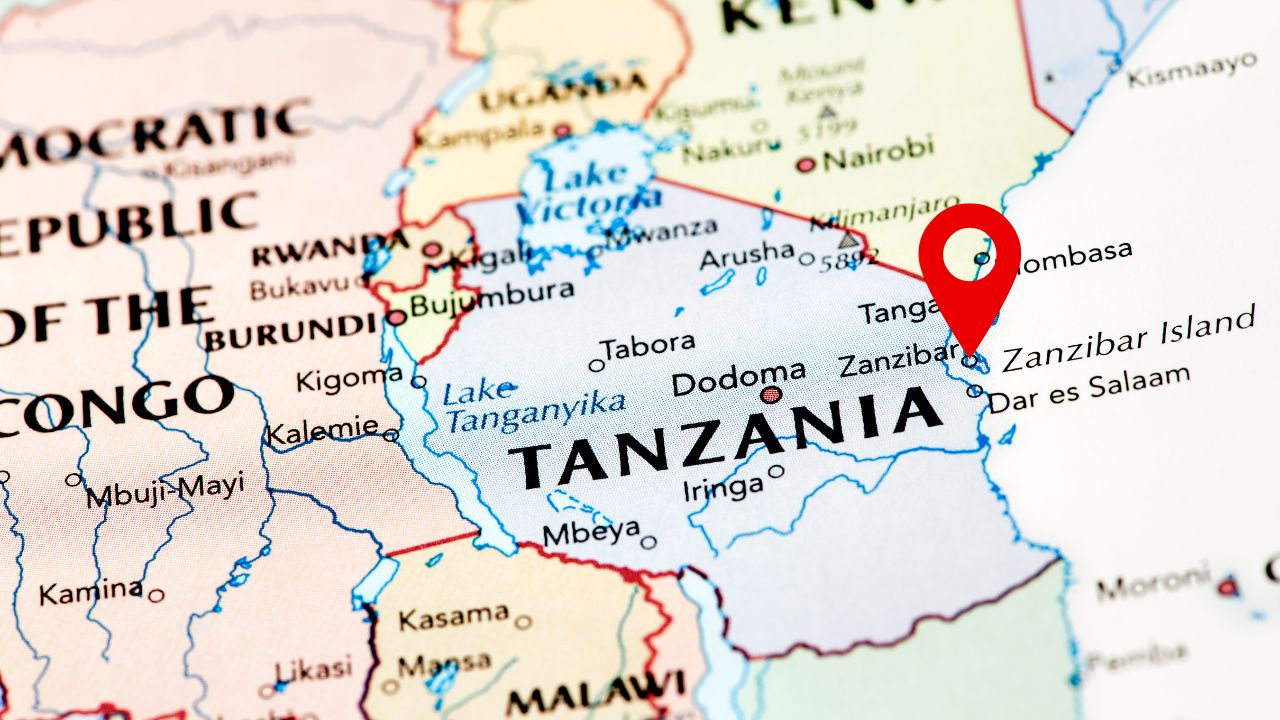
Traveling to Tanzania is a transformative experience that combines spectacular safaris, paradisiacal beaches in Zanzibar and a rich African culture. However, as in any international destination, it is essential to know the security measures in Tanzania to enjoy your trip without mishaps. In this complete guide we tell you everything you need to know about safety in Tanzania, from general precautions to specific tips for different situations.
Is it Safe to Travel to Tanzania? Security Overview
Tanzania is considered one of the safest countries in East Africa for tourists. With remarkable political stability and a well-developed tourism industry, millions of travelers visit the country every year without incident. However, as in any tourist destination, there are risks that are worth knowing about and preventing.
Security in Tanzania varies significantly depending on the area you visit. Major tourist areas such as Serengeti National Park, Ngorongoro Crater, Mount Kilimanjaro and Zanzibar have good security infrastructure. In contrast, some urban areas of Dar es Salaam require extra caution, especially at night.
According to the United Kingdom Foreign OfficeThe most common incidents affecting tourists are petty theft and opportunity theft, situations that can be avoided with common sense and proper precautions.
Security in Tanzania's Major Cities
Dar es Salaam:
Dar es Salaam, Tanzania's largest city, requires greater attention to security issues. Petty crimes such as pickpocketing and bag snatching are relatively common in crowded areas. To ensure your safety in Tanzania mainland:
- Avoid walking alone at night, especially in poorly lit areas.
- Do not display valuables such as expensive cameras, jewelry or smartphones.
- Use official cabs or transportation services recommended by your hotel.
- Keep your belongings under surveillance in markets and crowded places.
- Keep digital copies of your passport and important documents.
Arusha and Moshi: Gateways to Safaris
Arusha and Moshi are base towns for safaris and Kilimanjaro ascents, generally safer than Dar es Salaam. However, tourists can be the target of scams and rip-offs. Always hire registered tour operators and avoid people who approach you on the street offering "cheap" safaris.
Safety in Zanzibar: Tranquil Paradise
Zanzibar is considerably safer than the mainland. Stone Town and the beaches of Nungwi, Kendwa and Paje are very quiet destinations. However, respect local customs: Zanzibar is predominantly Muslim, so dress modestly outside beach areas and avoid public consumption of alcohol in residential areas.
Health Security: Essential Medical Preparations
Safety in Tanzania not only involves preventing theft, but also taking care of your health. Medical preparations are essential for a smooth trip.
Mandatory Vaccinations and Prophylaxis
Before traveling to Tanzania, it is imperative that you check the health requirements:
- Yellow fever vaccination: Mandatory if coming from countries with risk of transmission
- Antimalarial prophylaxis: Highly recommended for the whole country, especially in safari areas.
- Other recommended vaccines: Hepatitis A and B, typhoid, tetanus and diphtheria.
Consult with a travel medicine specialist at least 6-8 weeks before your trip to complete all necessary vaccination cycles.
Essential First Aid Kit
A well-equipped first aid kit is essential for safety in Tanzania, especially if you are going on safari or trekking:
- Disinfectants and dressing material (bandages, gauze, adhesive tape, adhesive tape)
- Antihistamines for allergies and stings
- Medications for stomach problems (traveler's diarrhea)
- Analgesics and anti-inflammatories
- Antibiotic cream for cuts or scratches
- Mosquito repellent with DEET (minimum 30%)
- High factor sunscreen (SPF 50+)
Water and Safe Food
The quality of drinking water in mainland Tanzania is variable. To avoid gastrointestinal problems:
- Drink only bottled and sealed water.
- Avoid ice in beverages unless from a reliable source.
- Consume well-cooked and hot foods
- Peel the fruit yourself
- Avoid raw salads in questionable establishments.
In Zanzibar, tourist hotels and restaurants maintain good hygiene standards, but the same precautions apply outside these areas.
Safety during safaris in Tanzania
Safaris are Tanzania's main attraction and, following proper safety regulations, are completely safe experiences.
Selection of Reliable Operators
Safety on safari in Tanzania starts with choosing the right operator:
- Hire only companies officially licensed by the Tanzania National Parks Authority (TANAPA).
- Read verified reviews on platforms such as TripAdvisor or SafariBookings.
- Make sure they include liability insurance.
- Verify that vehicles are in good condition and have communication equipment.
Wildlife Safety Standards
During the safari, your safety depends on strictly following the guide's instructions:
- Always remain inside the vehicle during sightings, unless expressly instructed by the guide.
- Keep a safe distance from animals (minimum 20-25 meters).
- Do not feed the animals under any circumstances.
- Speak softly so as not to disturb wildlife.
- Do not stand up or put your body out of the roof of the vehicle when animals are nearby.
Sun and Heat Protection
Prolonged exposure to the African sun is a real risk to your health:
- Wear light, long-sleeved clothing in neutral colors (beige, khaki, olive green).
- Wear a wide-brimmed hat and sunglasses with UV protection.
- Apply sunscreen every 2 hours, even on cloudy days.
- Maintain constant hydration (minimum 3 liters of water per day).
- Plan activities in the cooler hours (early morning or late afternoon).
Safety for Women Travelers in Tanzania
Tanzania is generally safe for women traveling alone or in groups, although it is important to take extra precautions:
- Dress modestly, especially in rural areas and in Zanzibar (covers shoulders and knees).
- Avoid walking alone at night in any city
- Book accommodations with good safety reviews
- Trust your instincts: if a situation makes you uncomfortable, walk away.
- Join group tours for safaris and excursions
- Keep the number of your embassy at hand at all times.
Tanzanians are generally friendly and hospitable, and street harassment is less common than in other African destinations.
Travel Insurance: Your Safety Net in Tanzania
Comprehensive travel insurance is absolutely essential to ensure your safety in Tanzania. Medical assistance can be expensive and limited, especially outside urban areas.
Essential Coverage
Your insurance policy must include:
- Medical assistance with a minimum coverage of 50.000€: For hospitalization and treatment
- Emergency medical evacuation: Crucial if you need to be transferred to Nairobi or repatriation
- Coverage for tropical diseases: Including malaria treatment
- Adventure activities: Whether you are trekking in Kilimanjaro, diving in Zanzibar or going on a safari.
- Baggage theft and loss: To protect your belongings
- Trip cancellation: Due to unforeseen events before departure
Medical Assistance in Tanzania
The quality of medical care varies significantly:
- Dar es Salaam and Arusha: They have private hospitals of acceptable quality (Aga Khan Hospital, IST Clinic).
- National parks: Very limited medical access, basic first aid only
- Zanzibar: Basic medical facilities; serious cases require evacuation to Dar es Salaam
Make sure your insurance includes a 24/7 helpline in Spanish and coverage for medical repatriation if necessary.
Final Tips for Maximizing Your Safety in Tanzania
To close this comprehensive guide to safety in Tanzania, here is a summary of the most important tips:
- Keep copies of your documents: Keep digital copies of passports, visas, insurance and airline tickets.
- Register your trip: Inform your embassy of your stay in Tanzania.
- Cash: Bring recent (post-2013) U.S. dollars to exchange into Tanzanian shillings.
- Respect local laws: Drugs are illegal and penalties are severe.
- Photography with permission: Ask permission before photographing people or government facilities.
Safety in Tanzania is totally manageable with preparation and common sense. By following these recommendations, you will be able to fully enjoy one of Africa's most spectacular destinations with total peace of mind.