
Zanzibar Religion: Complete Guide to Religious Diversity 2025
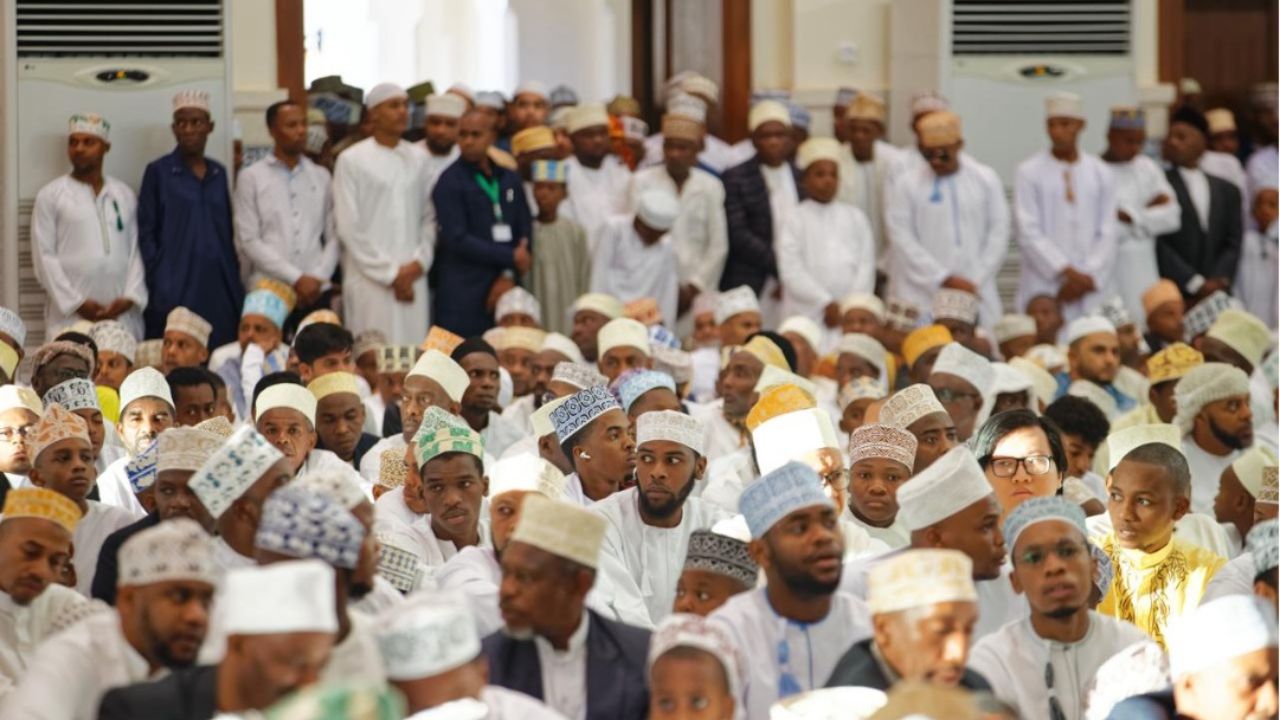
The Zanzibar Religion is fascinating multicultural tapestry: 99% Muslim (mainly Sunni Shafi'i school), heritage of centuries of Arab-Persian trade and the Sultanate of Oman established nineteenth century. This Islamic majority coexists peacefully with Christian minorities (Anglicans and Catholics since British colonial era) and Hindus (descendants of Indian traders), plus traditional African practices syncretized. In Stone Town, mosques, churches and temples are located meters away, offering valuable lessons in religious tolerance. This guide explains religious composition, history of each faith, daily practices, festivals, places of worship to visit and dress codes for tourists.
Current composition Zanzibar religion
Demographic statistics religion Zanzibar
Islam: 98-99% population
- Majority: Sunni Shafi'i schools
- Minority: Ismailis (shia)
Christianity: 1%
- Anglicans (Christian majority)
- Catholics (minority)
Hinduism: Minus 0.5% (gujaratis traders)
OtherMinus 0.5% (Zoroastrianism almost disappeared post-Revolution 1964, African traditional beliefs syncretized).
Religion comparison Tanzania mainland vs Zanzibar
Tanzania mainland:
- Christianity: 60-65%
- Islam: 30-35%
Zanzibar:
- Islam: 98-99%
- Christianity: 1%
Reason for differenceArab-Persian commercial history in Zanzibar vs. European missionary influence on the continent.
History Islam in Zanzibar religion
Arrival and consolidation Islam
VIII-X CenturyArab and Persian traders established Indian Ocean routes, bringing Islam to the Swahili coast.
1698Sultan of Oman expelled Portuguese, established Sultanate.
1840Sultan Said bin Sultan moved the capital of Oman to Stone Town, consolidating Zanzibar as a regional Islamic center.
Islamic influence architecture Zanzibar religion
Stone Town carved doorsIntricate designs with Koranic verses, protection symbols, Arabic-Indian-Persian influence.
Mosques: 100+ mosques on island, distinctive Arabic-Swahili architecture.
MadrassasTraditional Islamic schools for teaching Quran.
Persian bathsKidichi Persian Baths (1850) - Persian style public baths built by Sultan.
Everyday Islamic practices
Call to prayer (adhan)5 times daily from mosques.
Modest dressWomen frequently wear buibui (full black veil) or hijab in public.
FridayHoly day. Many businesses close 12:00-14:00 for Jumu'ah prayer.
ProhibitionsAlcohol (officially), pork, strict observance of Ramadan.
Christianity in Zanzibar Religion
History Christianity Zanzibar
Portuguese (16th century): First Christians, established strong.
British Missionaries (1864)Universities' Mission to Central Africa arrived, played a crucial role in abolishing slavery.
Colonial Era (1890-1963)Consolidated Christian presence with churches, schools, hospitals.
Christian places to visit Zanzibar Religion
Christ Church Cathedral (Anglican Cathedral):
- Location: Mkunazini Road, Stone Town
- Construction: 1873-1880
- Meaning: Built on a former slave market.
- Entrance fee: 5,000 TZS (2 USD), includes slave trade museum
- Mass: Sundays 8:00 AM
St. Joseph's Cathedral (Catholic Cathedral):
- Location: Cathedral Street, Stone Town
- Construction: 1893-1898
- Architecture: Distinctive twin towers, Romanesque style
- Admission: Free (donation welcome)
- Mass: Sundays 10:00 AM
Current Christian community
PopulationApproximately 4,000-5,000 people (1% population).
ActivitiesReligious services, schools, charitable organizations.
Coexistence: Harmonious relationship with Muslim majority.
Other religions in Zanzibar religion
Hinduism
HistoryGujarati Indian traders arrived centuries ago.
Current population: 500-1,000 people, mostly Stone Town.
TemplesHindu Temple Stone Town (Shangani area), small, visitable with permission.
FestivitiesDiwali, Holi - celebrated privately.
Zoroastrianism (Parsis)
History: Small Parsi community (like Freddie Mercury family) existed pre-Revolution 1964.
CurrentPractically disappeared (most of them fled post-Revolution).
Traditional African practices
SyncretismTraditional beliefs (ancestral spirits, herbal healing) persist syncretized with Islam.
Mganga (healers)They continue to practice, combining herbs with Koranic verses.
Mwaka KogwaTraditional Persian New Year Festival with pre-Islamic elements (ritual fights, fire) in Makunduchi.
Festivities Zanzibar main religion
Islamic holidays
Ramadan (holy month fasting):
- Practice: Fasting from sunrise to sunset
- Tourist impact: Many local restaurants closed during the day, open in the evening.
- Tip: Tourists can eat but discreetly
Eid al-Fitr (end of Ramadan):
- Duration: 3 holidays
- Celebration: Massive prayer, family meals, gifts for children
- Impact: Businesses closed, festive atmosphere
Eid al-Adha (Festival Sacrifice):
- Practice: Slaughtering animals, distributing meat to poor people
- 70 days after Eid al-Fitr
Maulidi (Prophet Muhammad's birthday):
- Celebration: Poetic recitations, processions, religious songs, etc.
Christian holidays Zanzibar Religion
- Christmas (December 25): Special Mass in cathedrals, small community celebration.
- Easter: Religious services, processions.
- Note: These are not Zanzibar national holidays.
Traditional festivity
Mwaka Kogwa (Persian New Year):
- When: July
- Where: Makunduchi (south Zanzibar)
- Activities: Ritual fights with banana leaves, fire, drums, chants.
- Visitable: Yes, tourists welcome
Religious dress codes for tourists
General expectations Zanzibar religion
Zanzibar is conservative: 99% Muslim, modestly higher expectations than mainland Tanzania.
Appropriate attire by location
Stone Town and urban areas:
- WomenShoulders covered, knees covered (long skirts/dresses, pants). Avoid plunging necklines, transparent clothing
- MenShirts, long pants or bermuda shorts at the knees
Beach resorts:
- Inside propertyBikinis, swimsuits, normal swimsuits acceptable
- Beach road: Cover-up with sarong, beach dress
- Public beaches: More modesty. Topless strictly prohibited
Visiting mosques:
- Majority NOT open to non-Muslims
- If allowed: Women cover arms, legs, hair. Men long pants. Remove shoes
Visiting churches:
- Covered shoulders, long trousers/skirts
Consequences of inappropriate clothing
- Disapproving glances
- Comments
- Discomfort
- Occasional verbal harassment (rare)
RecommendationWhen in doubt, dress more conservatively. Wear a sarong/scarf for quick coverage.
Religious coexistence model Zanzibar religion
Historical tolerance
Centuries of coexistence: Muslims, Christians, Hindus have been living together peacefully for centuries.
Physical proximity Stone TownMosques, churches, temples at less than 200 meters from each other.
Mutual respectReligious holidays generally respected by other communities.
Factors that facilitate coexistence
Commercial history: Commercial Entrepôt required tolerance in order to attract traders from different cultures.
Swahili cultureEmphasizes hospitality, respect (Islamic + African values).
Small sizeSmall island = communities inevitably interact.
Education: Schools teach about different religions from childhood.
Occasional stresses
Post-Revolution 1964Violence against Arab/Indian/parsi minorities (thousands killed/exiled).
Recent: Occasional tensions between Islamic conservatives vs. modern/tourist elements.
GeneralMinor tensions, peaceful coexistence prevails.
Religious sites to visit Zanzibar religion
Mosques (most of them NOT open to visitors)
Kizimkazi Mosque (1107 AD):
- Location: Kizimkazi, South Zanzibar
- One of the oldest East African
- Visitable: Outside only
- Historical kufic inscription
Malindi MosqueStone Town - unique architecture without a minaret (exterior only)
Hamamni Persian Baths:
- Visitable: Yes, 3,000 TZS entrance fee
- Persian style public baths (1870s)
- Location: Hamamni Street, Stone Town
Churches (visitable)
Christ Church Cathedral: Essential historical visit (described above)
St. Joseph's Cathedral: Impressive twin towers
Syncretic sites
Mwaka Kogwa in Makunduchi: July - unique festival mixing Persian, African, Islamic elements
Frequently asked questions Zanzibar religion
What is the main religion in Zanzibar and how does it affect tourists?
The Zanzibar religion is the Sunni Islam (Shafi'i school) practiced by 98-99% population, heritage of centuries of Arab-Persian trade and Sultanate of Oman established 19th century. This affects tourists in expectations modest dressIn Stone Town and urban areas, women should cover shoulders and knees (long skirts/dresses, pants), avoid plunging necklines; men wear shirts and long pants or shorts. At beach resorts, bikinis acceptable inside property but when walking to/from beach cover up with sarong. Topless strictly prohibited all beaches. During Ramadan (Islamic holy month fasting), many local restaurants are closed during the day (open at sunset), although tourists can eat discreetly. Alcohol officially prohibited for Muslims but available in tourist hotels. According to Lonely Planetthe religion in Tanzania Zanzibar specifically requires significant respect for conservative Islamic sensibilities compared to typical beach destinations, with modest dress and respectful behavior during Ramadan essential to avoid offending the local population.
What religious sites can I visit related to Zanzibar religion?
To experience Zanzibar religion directly, visit: (1) Christ Church Cathedral (Anglican Cathedral) - Stone Town, built 1873-1880 on former slave market as a symbol of abolition, entrance fee 5,000 TZS (2 USD) includes moving slave trade museum, Gothic architecture with local influences, Sunday mass 8:00 AM; (2) St. Joseph's Cathedral (Catholic Cathedral) - Stone Town, distinctive twin towers in Romanesque style 1893-1898, free admission (donation welcome); (3) Kizimkazi Mosque - south Zanzibar, one of the oldest mosques in East Africa (1107 AD) with historical kufic inscription, visitable only outside as most Zanzibari mosques are NOT open to non-Muslims; (4) Hamamni Persian Baths - Stone Town, Persian style public baths 1870s entry 3,000 TZS, preserved Islamic architecture. ImportantRespect dress codes when visiting religious sites - women cover shoulders, knees and hair if entering holy sites, remove shoes before entering mosques (if allowed). According to UNESCOStone Town is a World Heritage Site partially for its multicultural religious architecture where mosques, churches and temples coexist meters apart, a unique testimony to the Tanzania religion diverse.
How is the religious coexistence in Zanzibar between different religions?
Coexistence in Zanzibar religion is a remarkable model of religious tolerance: despite Islam representing 98-99% population, Christians (1%), Hindus (minus 0.5%) and practicing African traditional beliefs have coexisted peacefully for centuries. At Stone TownThe mosques, Christ Church Cathedral (Anglican), St. Joseph's Cathedral (Catholic) and Hindu temple are located within 200 meters of each other, symbolizing a shared commitment to communal peace. Factors facilitating coexistence(1) History as a commercial entrepôt required tolerance to attract traders from diverse cultures; (2) Swahili culture emphasizes hospitality and respect (more African Islamic values); (3) Education includes teaching about different religions from childhood; (4) Religious holidays generally respected by other communities - Muslims respect Christian Christmas, Christians respect Ramadan/Islamic Eid. Historical tensionZanzibar Revolution 1964 resulted in violence against Arab/Indian minorities/parsis with thousands killed or exiled, creating trauma that persists in collective memory. News: Occasional minor tensions but peaceful coexistence prevails. According to BBCthe religion of Tanzania Zanzibar specifically offers valuable lessons on religious coexistence in contrast to religious conflicts in other regions of the world.